Strata Pressure Cleaning: Planning Jobs With Less Disruption
@travisokdn150
Strata properties in Ballina, from low-rise apartment blocks near the river to townhouse complexes in the suburbs, face constant exposure to salt air, humidity, tree litter and coastal weather. Mould, algae, mildew and grime build up on driveways, walkways, balconies, retaining walls and building facades. Pressure cleaning is one of the most effective ways to manage this, but it affects residents, visitors and neighbouring properties. Careful planning keeps that impact low while protecting the building and its people.
Why Strata Pressure Cleaning Needs a Different Approach
Cleaning a single house is straightforward. A strata scheme involves shared spaces, many owners and tenants, and legal duties that a private home does not have. Common property such as stairwells, car parks, pool surrounds, bin areas and external walls is managed by the owners corporation, and work must be approved and organised through the executive committee or strata manager.
Under NSW strata legislation, the owners corporation is responsible for maintaining common property in a state of good and serviceable repair. Regular cleaning supports this duty, particularly where slippery surfaces create a safety risk. Algae-covered paths and stairs are a common cause of slip injuries in humid coastal climates like the Northern Rivers.
Start With a Site Inspection and Scope of Work
A thorough inspection before any quote is the foundation of a low-disruption job. A qualified contractor should walk the property, ideally with a committee member or building manager, and document:
- Which surfaces need cleaning, such as concrete, pavers, tiles, timber decking, render, brickwork or roofing
- The level of staining, including mould, oil, rust, tannin from trees or efflorescence
- Access points, water supply locations and drainage paths
- Vehicle movements, car park layouts and visitor parking areas
- Sensitive areas such as gardens, ponds, pool equipment, solar panels and air conditioning units
- Any damaged surfaces, loose pavers or failing sealants that high pressure could worsen
A written scope tells the committee exactly what is included, which prevents disputes and unexpected variations later.
Choosing the Right Time and Day
Timing is the biggest factor in reducing disruption. Consider the property's occupancy and rhythm before booking.
Work Around Resident Routines
Most residents leave for work and school between 7:00 and 9:00 am and return in the late afternoon. Cleaning car parks and driveways during mid-morning to mid-afternoon on weekdays means fewer vehicles need to be moved. Noise-sensitive properties, including those with shift workers or retirees at home, may prefer a schedule that avoids early starts. Local council noise guidelines generally restrict noisy equipment outside normal daytime hours, so work should keep within them.
Consider Ballina's Weather
The Northern Rivers has a wet summer and autumn, with high humidity and frequent storms. Dry spells in late winter and spring are often the best window for pressure cleaning, as surfaces dry faster and any sealing work can cure properly. Booking ahead for these months helps, as demand from strata managers rises. Contractors should also allow flexible rain dates so a wet day does not derail the whole schedule.
Stage Large Jobs
Large complexes benefit from staging. Cleaning one block, driveway section or level at a time keeps access open to other areas. Staging also lets residents plan around limited zones, rather than losing the entire property for a day.
Communicate Early and Clearly
Most complaints in strata work come from poor notice rather than the work itself. Strata managers and committees should circulate information well before the job, ideally at least seven to fourteen days ahead. A good notice includes:
- The dates and approximate hours of work
- The specific areas being cleaned each day
- Instructions to move vehicles, bikes, pot plants and outdoor furniture
- A reminder to close windows and doors facing the work area
- Details on temporary access changes for stairs, lifts or entrances
- A contact name and number for questions or concerns on the day
Placing printed notices in letterboxes, lobbies and bin rooms, along with emails through the strata manager, ensures tenants and absentee owners are reached. Reminder signs on the morning of the work help catch anyone who missed earlier notices.
Managing Water, Runoff and Environmental Protection
Pressure cleaning produces wastewater that carries dirt, algae, oils and any cleaning chemicals. In Ballina, where stormwater drains lead toward the Richmond River, Emigrant Creek and local waterways, controlling runoff matters. Stormwater pollution is regulated under NSW environmental legislation, and contractors are expected to prevent contaminated water from entering drains.
Good practice includes:
- Blocking or covering stormwater pits with drain mats or bunding
- Using wet vacuum recovery systems where wash water can be collected
- Directing runoff to suitable landscaped or sewer-connected areas where permitted
- Choosing biodegradable, low-impact cleaning agents
- Avoiding harsh chemicals near gardens, pools and ponds
Water supply should also be planned. Contractors may bring their own water tank or connect to a common property tap. Confirming this beforehand avoids interruptions to residents' water use and prevents arguments over usage.
Safety and Access Considerations
High-pressure water can injure people, damage property and throw debris. Safe practices protect both workers and residents.
- Exclusion zones: Barriers, cones and signage keep people and pets away from active work areas.
- Alternative pedestrian routes: Safe paths should remain open to entrances, bin areas and mailboxes, especially for people with mobility needs.
- Wet surface warnings: Freshly cleaned concrete, tiles and pavers can be slippery until dry.
- Vehicle management: Cars should be moved or covered, and visitor parking may need to be temporarily relocated.
- Insurance and compliance: Contractors should hold current public liability insurance, and a safe work method statement should be available for committee review.
Working at heights, such as cleaning upper-level walls or roofs, brings further requirements under NSW work health and safety rules. Using the right equipment, such as scaffolding, elevated work platforms or soft washing from the ground, should be agreed during planning.
Choosing the Right Cleaning Method
Not every surface can handle high pressure. Matching the method to the material reduces damage and cuts rework, which in turn reduces disruption.
High Pressure Cleaning
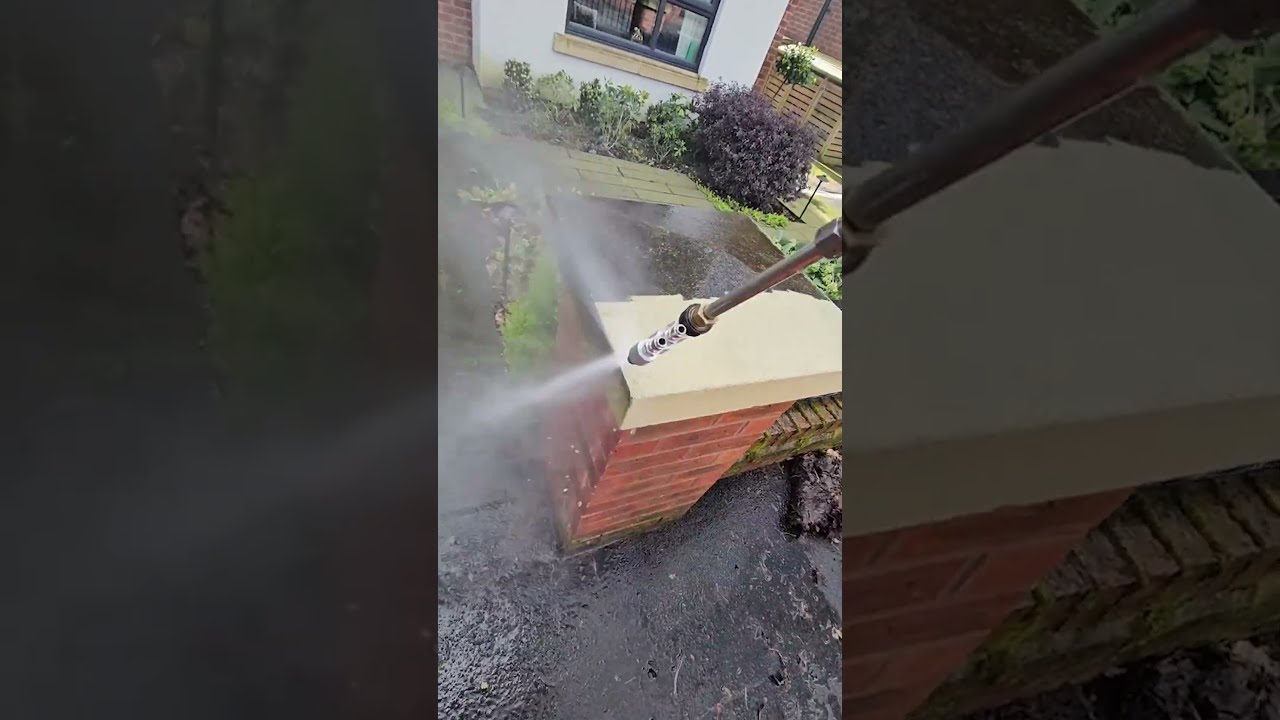
Suitable for durable surfaces such as concrete driveways, car park floors and some pavers. It removes embedded dirt, oil staining and heavy mould efficiently.

Soft Washing
Uses low pressure combined with specialised detergents to treat render, painted walls, weatherboards, roof tiles and delicate finishes. It kills mould and algae at the root, giving longer-lasting results, and it reduces the risk of water forced behind cladding or into window seals.
Surface Cleaners and Specialised Tools
Rotary surface cleaners deliver more even results on large https://trevorqnui299.dovetailscope.com/posts/simple-ways-to-extend-the-life-of-your-concrete-driveway flat areas and reduce splash and overspray. This helps keep adjacent cars, windows and walls clean during the job.
Protecting Surfaces Afterwards
Cleaning is often best paired with protective measures. Sealing pavers or concrete after cleaning can slow staining and make future maintenance easier, though it requires dry weather and a period when foot and vehicle traffic is restricted. Such work should be scheduled as a separate stage with its own notices. Treatments that inhibit mould regrowth can also extend the time between cleans in Ballina's humid conditions.
Setting a Maintenance Schedule
One-off cleans cause the most disruption because they deal with heavy buildup. A regular cycle keeps work lighter, faster and cheaper. Many strata schemes in coastal NSW budget for annual or twice-yearly cleaning of high-traffic common areas, with additional attention to shaded south-facing walls and stairwells where mould grows quickly. Including pressure cleaning in the sinking fund plan or administrative budget means the work is approved in advance, avoiding delays from last-minute quotes and meetings.

Getting Quotes and Approvals
Strata schemes usually need multiple quotes for larger expenditures, and the owners corporation may require a vote at a general meeting if costs exceed set limits. To compare quotes fairly:
- Provide every contractor with the same scope and access information
- Ask for details of insurance, safety documents and relevant experience on strata properties
- Check what is included, such as drain protection, waste water handling and re-attendance for missed spots
- Confirm timing, staging and the contingency plan for wet weather
The cheapest quote can become the most disruptive if it excludes proper preparation or leads to repeat visits.
Common Mistakes to Avoid
- Short notice to residents, resulting in blocked access and complaints
- Using excessive pressure on soft or aged surfaces, causing pitting or etching
- Ignoring stormwater drain protection
- Scheduling work during school holidays or long weekends when more residents are home
- Failing to document pre-existing damage, which can lead to disagreements about responsibility
Final Thoughts
Well-planned pressure cleaning keeps Ballina strata properties safe, attractive and protected against the effects of coastal weather, without turning the job into a headache for residents. A detailed inspection, sensible timing, early communication, environmental controls and the right cleaning method all help the work run smoothly. By building cleaning into a regular maintenance plan for 2026 and into 2027, owners corporations can reduce long-term costs, extend the life of common property surfaces and keep disruption to a minimum.
Ballina Pressure Cleaning
0440 133 837